
Denim Fit Guide: Finding Your Perfect Pair
Navigating the world of denim requires understanding cuts, rise, fabric, and fit—essential elements for finding jeans that flatter your body and suit your style preferences.
Understanding Denim Cuts
The cut of your jeans fundamentally defines their silhouette and overall aesthetic. It refers to the shape of the leg, ranging from closely fitted to significantly flared. Understanding these variations is crucial for selecting a pair that complements your body type and desired look. Skinny jeans, also known as cigarette jeans, are characterized by a tight fit from thigh to ankle, often incorporating stretch denim for comfort.
Conversely, wider cuts like bootcut and flare jeans offer more room through the leg, balancing proportions and accommodating various footwear. Slim fits provide a modern, versatile option, tapering slightly from the knee down. Recently, slim and tapered fits have gained popularity, mirroring the trends in tailored trousers and outerwear. Ultimately, the ideal cut depends on personal preference and how you intend to style your denim.
Skinny Jeans: A Comprehensive Overview

Skinny jeans, frequently called cigarette jeans, are renowned for their consistently tight fit throughout the entire leg, extending from the thigh all the way down to the ankle. Typically constructed with stretch denim, they offer a streamlined silhouette and a comfortable, body-hugging feel. This style is incredibly versatile, easily dressed up with heels and a blazer or dressed down with sneakers and a casual top.
However, the snug fit isn’t for everyone; consider your body shape and comfort level. They often flatter those with longer legs or balanced proportions. When selecting skinny jeans, pay attention to the denim’s weight and stretch content – higher stretch usually means a more forgiving fit. They are a modern staple, but remember to choose a rise that feels most comfortable and flattering for your torso length.
Slim Fit Jeans: Modern and Versatile
Slim fit jeans strike a balance between classic straight-leg styles and the more constricting skinny jean. They are fitted through the seat and thigh, but not as tightly as skinny jeans, and typically have a narrower leg opening than straight-leg options. This silhouette has gained significant popularity, aligning with current trends in tailored trousers and slimmer outerwear. They offer a modern, clean look that’s incredibly versatile for various occasions.
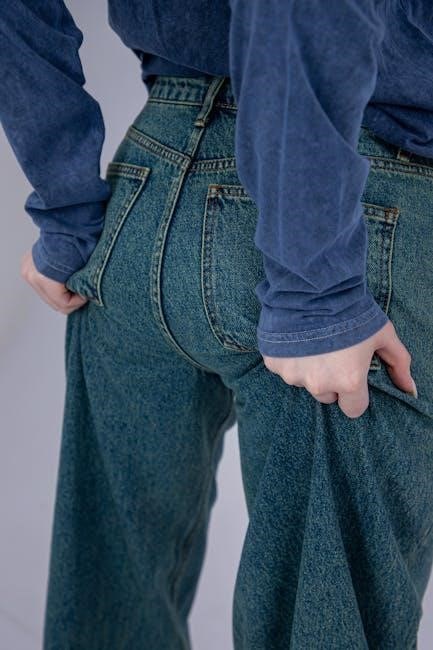
The slim fit is generally flattering on many body types, providing a streamlined appearance without feeling overly restrictive. Often, a slight stretch is incorporated into the denim for added comfort and ease of movement. Consider the rise when choosing slim-fit jeans, as it impacts how they sit on your torso and overall proportion. They are a fantastic everyday option, easily paired with diverse tops and footwear.
Straight Leg Jeans: The Classic Choice
Straight leg jeans represent a timeless denim silhouette, characterized by a consistent width from the hip to the ankle. This cut offers a universally flattering fit, making it a staple in many wardrobes. Unlike tapered or flared styles, straight-leg jeans maintain a relatively uniform shape, providing a balanced and versatile look. They are a reliable choice for those seeking a comfortable yet stylish option.
The beauty of straight-leg jeans lies in their adaptability. They can be dressed up with heels and a blazer or dressed down with sneakers and a t-shirt. They work well with various body types and are a great starting point for building a denim collection. The rise of the jeans will influence the overall look, with higher rises creating a longer leg line and lower rises offering a more relaxed feel.
Bootcut Jeans: Balancing Proportions
Bootcut jeans are defined by their subtle flare from the knee down, designed to accommodate boots – hence the name. This style is expertly crafted to balance wider hips or thighs, creating a harmonious silhouette. The gentle widening helps to visually balance the proportions of the body, offering a flattering fit for many figures. They aren’t as dramatic as flare jeans, providing a more subtle and versatile flare.
To achieve the best look with bootcut jeans, pairing them with boots (of course!) or heels is recommended. This enhances the intended shape and prevents the hem from dragging. The rise of the jeans also plays a crucial role; a mid-rise often complements the bootcut style nicely. They offer a classic, slightly retro aesthetic that remains perpetually stylish and adaptable to various outfits.
Flare Jeans: Retro Revival
Flare jeans, reminiscent of 1970s fashion, feature a dramatic widening from the knee to the hem, creating a distinctive and bold silhouette. This style makes a powerful statement and offers a unique alternative to more contemporary cuts. They are characterized by a noticeable, flowing flare that adds a touch of vintage glamour to any outfit.
To truly embrace the flare jean aesthetic, pairing them with platform shoes or heels is essential. This elevates the flare and prevents the jeans from appearing too long or dragging on the ground. High-rise flare jeans are particularly popular, as they accentuate the waist and elongate the legs. While they require a bit more confidence to pull off, flare jeans are a fantastic way to inject personality and a retro vibe into your wardrobe, offering a stylish revival of a classic look.
Decoding Denim Rise

Denim rise refers to the distance between the crotch seam and the top of the waistband, significantly impacting how jeans sit on your torso and overall comfort. Understanding rise is crucial for finding a flattering fit that complements your body shape and personal style preferences. Different rises create different silhouettes and offer varying levels of coverage and support.

The rise affects how denim sits on the torso, influencing the perceived length of your legs and the overall balance of your proportions. A higher rise generally elongates the legs and accentuates the waist, while a lower rise can create a more relaxed and casual look. Choosing the right rise depends on your body type, desired aesthetic, and comfort level, as it dramatically alters the fit and feel of the jeans.
High-Rise Jeans: Elongating the Legs
High-rise jeans, characterized by a waistband that sits at or above the natural waist, are celebrated for their ability to visually lengthen the legs, creating a streamlined and flattering silhouette. This style typically sits closer to the torso, defining the waist and offering a comfortable, secure fit. They’re a fantastic choice for those wanting to accentuate their waistline and create the illusion of longer legs.
The higher waistband provides tummy control and support, making them a popular option for various body types. High-rise jeans pair exceptionally well with tucked-in tops, cropped sweaters, or fitted shirts to emphasize the waist. They offer a classic, timeless look that can be dressed up or down, making them a versatile addition to any wardrobe. Consider the rise carefully for optimal comfort and style.

Mid-Rise Jeans: The Comfortable Standard
Mid-rise jeans represent a comfortable and universally flattering option, striking a balance between high-waisted and low-rise styles. Typically, the waistband sits a few inches below the natural waist, offering a relaxed yet defined fit. This makes them a versatile choice for a wide range of body types and personal preferences, often considered the standard for everyday wear.
They provide a good level of tummy control without feeling overly restrictive, making them ideal for all-day comfort. Mid-rise jeans pair well with various tops, from casual t-shirts to more polished blouses. They’re a reliable choice for creating a balanced silhouette and offer a classic denim aesthetic. Finding the right mid-rise depends on individual body proportions and desired comfort level.

Low-Rise Jeans: A Controversial Comeback
Low-rise jeans, characterized by a waistband that sits noticeably below the natural waist, are experiencing a resurgence after years of being out of favor. This style, popular in the early 2000s, often sparks debate due to its potentially revealing fit and varying levels of comfort. They can create a longer leg line, but require careful consideration of body shape and proportion.
The comeback of low-rise jeans is driven by evolving fashion trends and a desire for Y2K aesthetics. However, they aren’t universally flattering and may not be suitable for all body types. Pairing them with longer tops or layering is often recommended to achieve a balanced look. The rise, measured from the crotch to the waistband, significantly impacts how denim sits on the torso, making fit crucial.
Denim Fabric & Stretch
Denim’s character is profoundly shaped by its fabric composition, primarily revolving around the presence—or absence—of stretch. Traditional, or rigid, denim consists of 100% cotton, offering a durable, structured feel that molds to the body over time with wear. This type often requires a break-in period but provides a classic, authentic aesthetic.
Stretch denim, incorporating elastane or spandex, introduces flexibility and comfort, allowing for a closer fit and greater range of motion. The percentage of stretch fibers varies, influencing the denim’s recovery and shape retention. Choosing between rigid and stretch denim depends on desired comfort levels and the intended style—skinny jeans often benefit from stretch, while classic cuts may favor rigidity.
Rigid Denim: The Traditional Feel
Rigid denim, composed of 100% cotton, embodies the heritage of workwear and offers a distinctly authentic denim experience. Unlike its stretchier counterparts, rigid denim doesn’t yield immediately; instead, it gradually conforms to your body’s unique shape with consistent wear, creating a personalized fit over time. This “break-in” period is a hallmark of rigid denim, celebrated by enthusiasts for the unique patina and character it develops.
The lack of stretch provides a structured silhouette and substantial feel. It’s often preferred for classic denim styles like straight-leg or bootcut jeans, maintaining a timeless aesthetic. However, rigid denim requires consideration – it may initially feel less forgiving and demands a precise fit, as it won’t stretch to accommodate fluctuations in size;
Stretch Denim: Comfort and Flexibility

Stretch denim incorporates elastane or spandex fibers, offering a significant advantage: enhanced comfort and flexibility. This blend allows the fabric to move with your body, providing a more forgiving fit and greater ease of movement compared to rigid denim. Stretch denim is particularly popular in skinny and slim-fit jeans, where a close-to-the-body silhouette is desired without sacrificing comfort.

The addition of stretch also means these jeans tend to retain their shape better throughout the day, resisting bagging or stretching out. However, it’s important to note that stretch denim can sometimes lose its elasticity over time with repeated washing and wearing. Choosing a higher-quality stretch denim with a good elastane percentage can help mitigate this issue, ensuring long-lasting shape retention and comfort.
Denim Weight: Understanding Ounces
Denim weight is measured in ounces, indicating the weight of one square yard of fabric. This measurement directly correlates to the thickness and durability of the denim. Lighter-weight denim, typically ranging from 6 to 11 ounces, is ideal for warmer weather and offers a softer, more comfortable feel. It drapes well and is often used for shirts and lighter-weight jeans.
Mid-weight denim, between 12 and 14 ounces, is a versatile option suitable for year-round wear. It provides a good balance of durability and comfort, making it a popular choice for everyday jeans. Heavier-weight denim, 14 ounces and above, is incredibly durable and often used for workwear or raw denim jeans. It takes longer to break in but develops unique fades and character over time. Consider the climate and intended use when selecting denim weight.
Key Fit Considerations
Achieving the perfect denim fit involves careful attention to several key areas. Waist fit is paramount; jeans should sit comfortably on your natural waist without gaping or digging in. Hip and thigh fit should allow for comfortable movement without being overly tight or loose, complementing your body shape.
Inseam length is crucial for achieving the desired “break”—the amount of fabric that rests on your shoes. A full break has a noticeable fold, while a half break has a slight crease, and no break offers a clean, modern look. Rise, measured from the crotch to the waistband, impacts how the jeans sit on your torso, influencing overall proportion and comfort. Prioritizing these elements ensures a flattering and functional fit.
Waist Fit: Finding Your True Size
Determining your true waist size is fundamental to a comfortable and flattering denim fit. Jeans should sit comfortably on your natural waist – typically around your belly button, though this varies – without requiring a belt for support. Avoid jeans that gape at the back or dig into your sides when you sit or move.
If you find yourself between sizes, consider your body shape and desired fit. A slightly higher rise can create a longer leg line and accommodate a curvier figure. Remember that vanity sizing can vary between brands, so relying on measurements rather than labels is often more accurate. Prioritize comfort and a secure fit that allows for easy movement throughout the day.
Hip and Thigh Fit: Comfort and Shape
Achieving the right fit through the hips and thighs is crucial for both comfort and a flattering silhouette. Consider your body shape – are your hips narrower or wider? Do you prefer a more relaxed or fitted look? Jeans should skim over your hips and thighs without feeling constricting or creating unwanted bunching.
For a streamlined appearance, opt for cuts like slim or straight leg. If you prefer more room, bootcut or relaxed fits offer greater comfort. Pay attention to the yoke – the V-shaped seam at the back of the waistband – as its design impacts how the jeans fit your rear. A well-placed yoke can enhance your shape and provide a more lifted look. Prioritize a fit that allows for comfortable movement and confidence.
Inseam Length: Achieving the Right Break
The inseam length, measured from the crotch to the hem, dramatically impacts a jean’s overall look and how it interacts with your footwear. “Break” refers to how much the jean leg creases or folds at the shoe. A full break features a noticeable fold, suitable for wider-leg styles and boots. A half break offers a slight crease, versatile for various shoe types.
No break, or a clean hem, creates a modern, streamlined aesthetic, best paired with sneakers or flats. When determining your ideal inseam, consider your height, shoe heel height, and desired style. It’s often best to err on the slightly longer side, as you can always hem jeans to achieve the perfect length. Remember that denim may shrink slightly after washing, so factor that into your decision.
Interfacing for Denim Projects
Interfacing is crucial for adding structure and stability to denim garments, particularly waistbands, zip facings, and faux pocket flaps. Choosing the right interfacing prevents stretching and ensures a professional finish. Numerous types exist, potentially overwhelming beginners, but an iron-on woven interfacing is often recommended for its ease of application and reliable results.
Selecting an interfacing weight similar to your denim’s weight is vital for a harmonious feel and drape. For medium-weight denim, a medium-weight woven interfacing is a good match. Always interface the back waistband, both front waistband pieces, the zip facing, and any faux pocket flap. Further research into different interfacing types can refine your selection process, ensuring optimal support for your denim creations.
Types of Interfacing for Denim
Selecting the appropriate interfacing for denim hinges on the desired level of structure and the weight of your fabric. Woven interfacings, known for their stability, are excellent for waistbands and areas needing firm support. They offer a crisp finish and resist stretching, ideal for maintaining denim’s shape. Knit interfacings, conversely, provide more flexibility and drape, suitable for softer denim projects where comfort is paramount.
Non-woven interfacings are a budget-friendly option, offering a temporary bond, but lack the durability of woven or knit types. Consider the interfacing’s weight; a lightweight interfacing won’t provide sufficient support for heavier denim, while a heavyweight interfacing might create an undesirable stiffness. Exploring various options and testing samples ensures the perfect interface for your specific denim project.
Applying Interfacing to Denim Waistbands
Properly applying interfacing to denim waistbands is crucial for achieving a professional finish and ensuring structural integrity. Begin by cutting the interfacing to the exact dimensions of your waistband pieces – both front and back. Utilize an iron-on interfacing, positioning the adhesive side against the wrong side of the denim.
Employ a pressing cloth to protect both your iron and the denim, and apply medium heat with firm, even pressure. Avoid sliding the iron, instead, lift and reposition to prevent fabric distortion. Allow the interfaced waistband pieces to cool completely before handling. This cooling period allows the adhesive to fully bond, creating a stable foundation for buttonholes, zippers, and overall waistband construction. Careful application guarantees a well-defined and durable waistband.
Trouser Style Jeans: A Detailed Look
Trouser style jeans offer a sophisticated silhouette, characterized by a wider leg opening that resembles traditional trousers. These jeans typically maintain a consistent width from the hip down to the hem, providing a balanced and flowing look. They are designed to fall to a full length, ideally reaching the ground without excessive dragging or pooling of fabric.
A well-fitting pair should comfortably accommodate the hips and waist, creating a smooth and flattering line. This style is versatile, pairing well with both heels and flats, and is suitable for various body types. The key is ensuring the length is correct – a slight break or a clean hemline are both acceptable, depending on personal preference and shoe choice. Trouser jeans offer a polished alternative to slimmer fits.