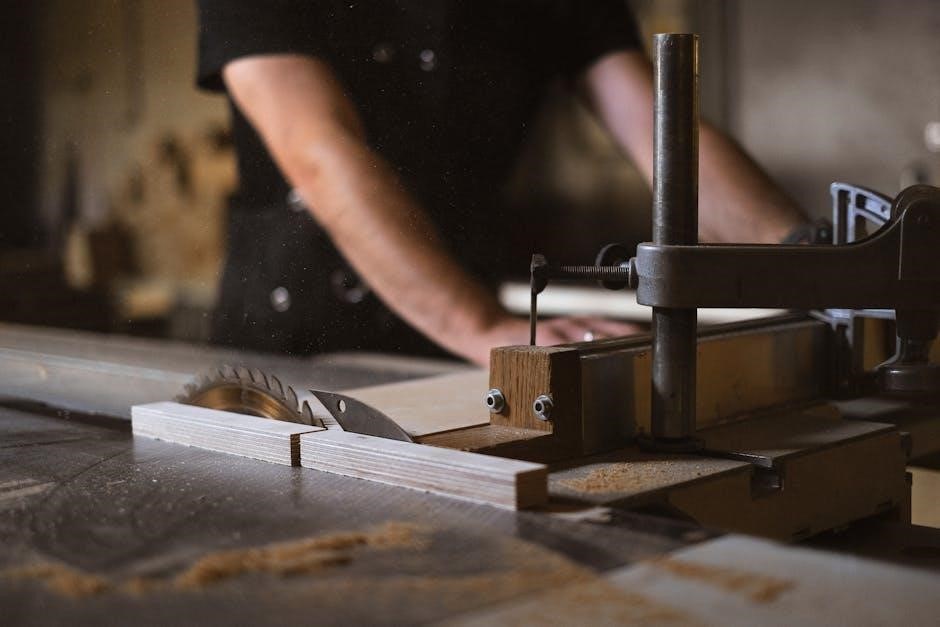
Stock guides are crucial for accurate and safe table saw operation, ensuring consistent cuts and preventing workpiece deflection․ Reddit discussions highlight their importance․
Proper stock guides, like those from VerySuperCool Tools or JESSEM, enhance precision, while maintaining parallelism is key, as noted in online forums․
Why Stock Guides are Essential
Stock guides are fundamentally important for achieving precision in table saw work․ Without a reliable guide, the wood can wander, leading to inaccurate cuts and potentially dangerous situations․ Online forums, like Reddit’s r/woodworking, consistently emphasize this point․
They maintain consistent alignment, especially crucial for ripping long boards․ A quality system, whether a Biesemeyer or Uni-T-Fence, minimizes blade drift and ensures parallel cuts․ Furthermore, they contribute significantly to operator safety by controlling the workpiece․
Safety Considerations When Using Stock Guides
Stock guide safety revolves around maintaining proper alignment and avoiding binding․ A fence not perfectly parallel to the blade can cause kickback, a serious hazard․ Regularly check for smooth operation and ensure the guide doesn’t impede the blade’s rotation․
The “31mm rule” – maintaining sufficient height – prevents the fence from dragging on the workpiece․ Always use appropriate push sticks and featherboards for added control․ Never reach over or around a running blade, even with a guide in place․

Types of Table Saw Stock Guides
Table saw stock guides encompass fence systems like Biesemeyer, Uni-T-Fence, and aftermarket options from VerySuperCool Tools, each offering unique features and precision․
Fence Systems: An Overview
Fence systems are the primary method for guiding stock during table saw operations, ensuring straight and accurate cuts․ These systems typically consist of fence rails, a fence face, and a locking mechanism to maintain parallelism with the blade․
Popular choices include Biesemeyer and Uni-T-Fence, known for their rigidity and precision․ Aftermarket systems, like those from VerySuperCool Tools, offer upgrades and compatibility with existing setups․ The goal is to eliminate blade drift and achieve consistent results․
Biesemeyer Fence Systems
Biesemeyer fence systems are renowned for their robust construction and exceptional accuracy, making them a favorite among woodworkers․ They utilize a dual-rail system, providing superior stability and minimizing deflection during cuts․
These systems often feature micro-adjustment capabilities for precise alignment․ VerySuperCool Tools notes compatibility with their T-square for enhanced precision․ While a significant investment, a Biesemeyer fence delivers reliable performance and long-term value for demanding applications․
Uni-T-Fence Systems
Uni-T-Fence systems offer a compelling alternative to traditional fences, known for their smooth gliding action and accurate cuts․ The Wood Whisperer mentions a similarity to the older Unisaw fence, but as an upgrade․
These fences typically feature a single rail design with a locking mechanism to secure the fence position․ They provide a balance of performance and affordability, making them a popular choice for both hobbyists and professionals seeking a reliable stock guide solution․
Aftermarket Fence Systems (VerySuperCool Tools)
VerySuperCool Tools provides aftermarket table saw fence systems designed to upgrade existing setups, particularly for those with Biesemeyer-style rails․ Their systems focus on precision and ease of use, offering a significant improvement over stock fences․
They offer a T-square specifically designed for their fences and compatibility with JESSEM TS Stock Guides․ VerySuperCool Tools also creates customized TS Stock Guides tailored for their tablesaw fence system, ensuring optimal performance and accuracy․
Components of a Stock Guide System
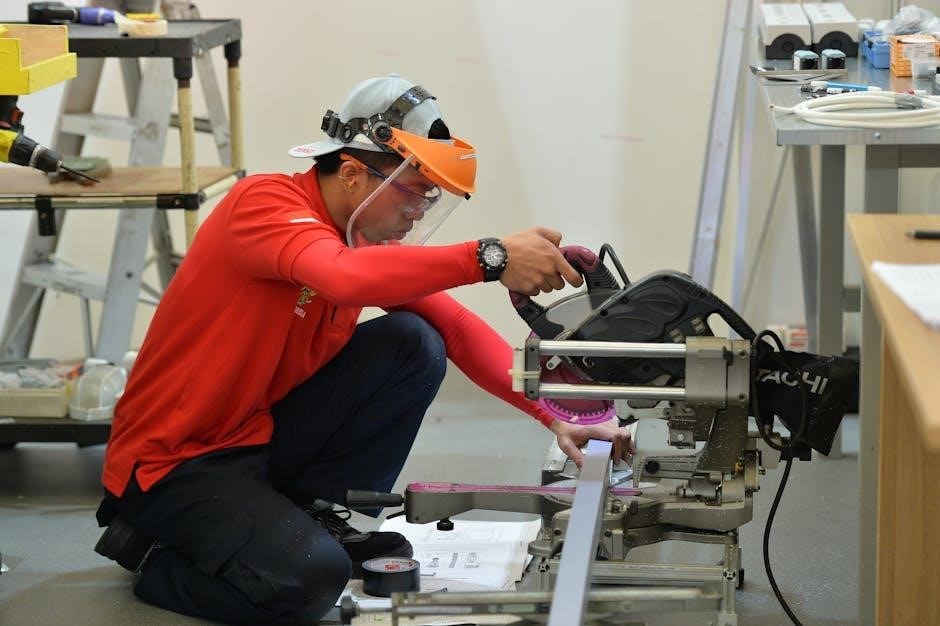
Stock guide systems comprise fence rails, fence faces, locking mechanisms, and guide blocks/shoes, working together to maintain accurate and parallel workpiece support during cuts․
Fence Rails
Fence rails are the foundational elements of any stock guide system, providing a stable and precise pathway for the fence to travel along․ They must be perfectly straight and parallel to the table saw blade․
Discussions on Reddit reveal that older Delta saws utilized round tube rails, demanding exact length for proper function․ Modern systems, like those from VerySuperCool Tools, often employ precision-ground steel or aluminum rails, ensuring smooth and accurate movement․ Maintaining rail integrity is vital for consistent cuts․
Fence Faces
Fence faces are the components that directly contact the workpiece, guiding it through the table saw blade․ Their flatness and smoothness are paramount for achieving clean, accurate cuts․ Materials range from phenolic to specialized polymers․
VerySuperCool Tools offers customized fence faces designed to integrate seamlessly with their systems․ The quality of the fence face directly impacts the finish and precision of the cut, making it a critical element in any stock guide setup․
Locking Mechanisms
Locking mechanisms secure the fence to the fence rails, preventing movement during operation․ Robust locking is vital to avoid “fence creep,” a common issue discussed on Reddit’s r/woodworking․ These mechanisms range from simple cam locks to more sophisticated designs․
Effective locking mechanisms maintain parallelism and ensure repeatable accuracy․ Biesemeyer and Uni-T-Fence systems are known for their reliable locking, while VerySuperCool Tools offers upgrades for enhanced stability and precision․
Guide Blocks/Shoes
Guide blocks, or shoes, are the components that directly contact the stock, riding along the fence faces to maintain alignment during the cut․ They minimize deflection and ensure a straight path for the material․
Older Delta saws utilized round tube guide rails, front and back, demanding precise length for effective support․ Modern systems, like those from JESSEM and VerySuperCool Tools, employ optimized designs for smooth operation and reduced friction․
Materials Used in Stock Guide Construction
Stock guides commonly utilize cast iron for stability, aluminum extrusion for lightweight precision, and steel for durability in critical components like locking mechanisms․
Cast Iron
Cast iron remains a prevalent material in stock guide construction, particularly for table saw fences and rails due to its exceptional mass and inherent stability․ This density minimizes vibration and resists deflection during demanding cuts․
Vintage Unisaw fences often feature substantial cast iron tops, prompting discussions about mounting compatibility for modern upgrades․ While heavy, cast iron provides a solid foundation for accurate guiding, ensuring consistent results․ However, it’s susceptible to rust if not properly maintained․
Aluminum Extrusion
Aluminum extrusion is increasingly popular for DIY and aftermarket stock guide systems, offering a lightweight yet rigid alternative to cast iron․ Its modular nature allows for customization and easy integration with existing table saw setups․
Reddit discussions reveal plans for building fences from extruded aluminum, utilizing front and rear guide rails for enhanced parallelism․ VerySuperCool Tools also leverages aluminum extrusion in their upgrade options, providing a versatile and precise guiding solution․
Steel
Steel, while less commonly the primary material for entire stock guide systems, plays a vital role in components requiring high strength and durability․ Older Delta saws, as discussed on Reddit, utilized round steel tubes as front and rear guides for fence stability․
Steel is often found in locking mechanisms and guide blocks, ensuring a secure and precise hold․ Its resistance to wear and tear makes it suitable for critical parts within more complex aluminum or cast iron-based systems․

Installing Stock Guides
Installation demands precise parallelism to the blade, crucial for accurate cuts․ Adjustments are needed to counteract blade drift, and maintaining a 31mm fence height is vital․
Ensuring Parallelism to the Blade
Achieving perfect parallelism between the stock guide and the table saw blade is paramount for accurate cuts․ Utilize an indicator to meticulously check alignment during installation, as suggested by Reddit discussions․
Any deviation will result in tapered or inaccurate results․ Front and rear guide rails, particularly when using extruded aluminum for a DIY setup, are essential for maintaining this critical alignment․
Regularly verify parallelism, as even slight shifts can compromise cut quality, especially during extended use․ Precise setup is the foundation of successful woodworking․
Adjusting for Blade Drift
Blade drift, a common issue, occurs when the blade deflects during a cut, leading to inaccuracies․ Careful stock guide adjustment is vital to counteract this․ Maintaining a fence height of approximately 31mm from the table top is crucial; lowering it too much can cause drag․
Reddit users emphasize this height limitation․ Ensure the guide system firmly supports the workpiece throughout the cut, minimizing any potential for blade deflection․
Regularly inspect and fine-tune the guide to maintain optimal alignment and compensate for any blade wobble or inherent saw imperfections․
Fence Height Considerations (31mm Rule)
The “31mm rule” is a critical guideline for table saw fence height, impacting cut accuracy and preventing binding․ Maintaining a fence height roughly 31mm above the table surface is recommended for optimal performance․
Reddit discussions confirm that lowering the fence significantly can cause it to drag against the workpiece, hindering smooth operation and potentially leading to kickback․
A small tolerance of 1-2mm below this height may be acceptable, but exceeding it risks compromising cut quality and safety․ Precise adjustment is key․

DIY Stock Guide Options
DIY stock guides can be constructed using extruded aluminum, employing front and rear rails for stability, and integrating seamlessly with an outfeed table․
Older Delta saws utilized round tube guides, demanding precise length for effective parallel alignment, as discussed in online forums․
Using Extruded Aluminum
Extruded aluminum presents a cost-effective and readily available material for crafting DIY stock guides․ Its straightness and ability to be precisely cut make it ideal for fence construction․
Planning involves creating both front and rear guide rails to securely hold the fence, maintaining perfect parallelism to the blade․ This approach, discussed on Reddit, ensures accurate cuts and minimizes drift․
Careful measurement and alignment are crucial; the aluminum profile should be robust enough to withstand cutting forces without bending or flexing during operation․
Creating Front and Rear Guide Rails
DIY stock guide systems often utilize both front and rear rails for enhanced stability and accuracy․ These rails, typically constructed from extruded aluminum, secure the fence and prevent unwanted movement during cuts․
As discussed on Reddit, precise rail length is critical; they must be perfectly aligned and parallel to the blade․ Older Delta saws employed a similar round tube design for this purpose․
The rear rail provides primary support, while the front rail fine-tunes alignment, ensuring the fence remains steadfast throughout the cutting process, delivering consistent results․
Outfeed Table Integration
Integrating stock guides with an outfeed table significantly improves support for longer workpieces, minimizing deflection and ensuring straighter cuts․ A folding outfeed section, as mentioned on Reddit, adds versatility to smaller workshops;
The outfeed table should be perfectly aligned with the table saw table, creating a seamless surface for material flow․ This alignment is crucial for maintaining consistent pressure against the fence․
Proper integration enhances stability and allows for more controlled ripping, especially when working with large panels or boards, resulting in professional-quality results․

Commercial Stock Guide Options
JESSEM TS Stock Guides and VerySuperCool Tools offer robust, precise systems․ VerySuperCool Tools even provides customized guides for their fence systems, enhancing compatibility․
JESSEM TS Stock Guides
JESSEM TS Stock Guides represent a premium option for table saw users seeking exceptional accuracy and reliability․ These guides are specifically designed to work seamlessly with various fence systems, including those from VerySuperCool Tools․
They are praised for their robust construction and ability to maintain consistent pressure on the workpiece, minimizing deflection and ensuring clean, straight cuts․
Furthermore, JESSEM offers customized TS Stock Guides tailored for integration with the VerySuperCool Tools tablesaw fence system, providing a perfect fit and optimized performance․
VerySuperCool Tools Stock Guides
VerySuperCool Tools offers innovative stock guide solutions designed to elevate table saw performance and precision․ Their systems are particularly well-suited for users already employing a Biesemeyer fence or a similar guide rail setup․
The Standard T-square is often recommended as the best option when paired with VerySuperCool Tools’ upgrades․
JESSEM TS Stock Guides are also compatible and, in fact, JESSEM Tools creates customized guides specifically for integration with VerySuperCool Tools’ tablesaw fence systems, ensuring a perfect match․
Compatibility with Existing Fences
When selecting stock guides, compatibility with your current table saw fence is paramount․ JESSEM TS Stock Guides demonstrate excellent versatility, working seamlessly with the VerySuperCool Tools T-square and extrusion systems․
If you already utilize a Biesemeyer fence or a comparable guide rail system, VerySuperCool Tools suggests their Standard T-square as the optimal choice for upgrades․
Careful consideration of existing components ensures a smooth integration and maximizes the benefits of any new stock guide system․
Maintaining Stock Guides
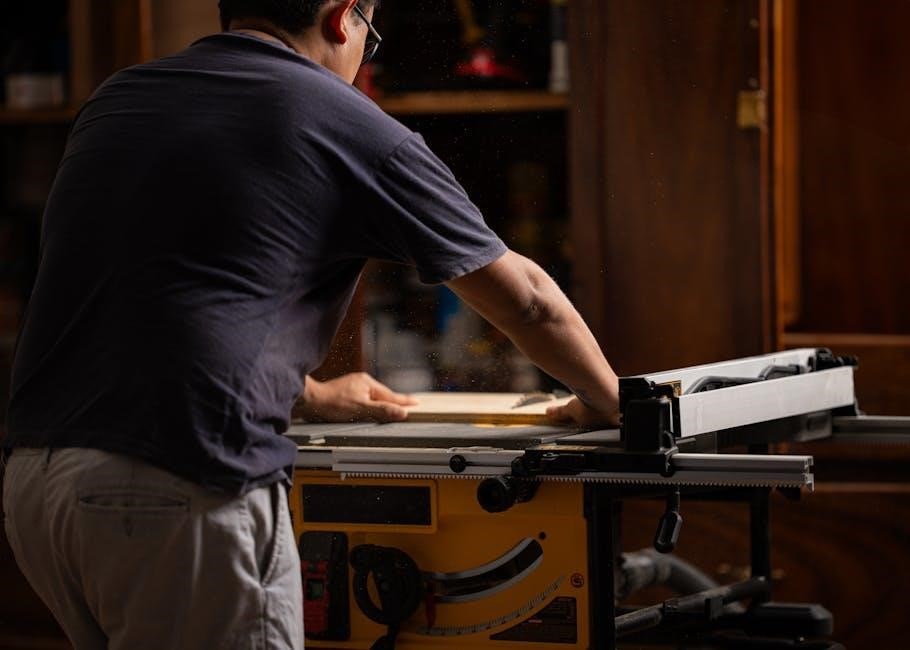
Stock guides require regular cleaning and lubrication for optimal performance․ Inspect frequently for wear and tear, and adjust as needed for consistently smooth operation․
Cleaning and Lubrication
Regular cleaning of your stock guides is paramount for smooth operation and accuracy․ Dust and debris buildup can introduce friction, hindering the fence’s movement․ Use a soft brush or cloth to remove accumulated sawdust, focusing on the rails and locking mechanisms․
Lubrication is equally vital․ Apply a dry lubricant, like silicone spray, sparingly along the rails․ Avoid oil-based lubricants, as they attract dust․ Proper lubrication minimizes friction, ensuring effortless fence adjustments and contributing to precise cuts․ Consistent maintenance extends the lifespan of your system․
Checking for Wear and Tear
Regular inspection of your stock guide system is crucial for maintaining accuracy and safety․ Examine the fence rails for dents, bends, or any signs of damage․ Closely inspect the locking mechanisms, ensuring they engage and disengage smoothly without excessive play․
Guide blocks/shoes should be checked for wear, as they directly contact the workpiece․ Replace worn components promptly to prevent inaccurate cuts and potential binding․ Addressing wear early avoids costly repairs and ensures continued precision in your woodworking projects․
Adjusting for Smooth Operation
Smooth fence movement is vital for accurate cuts․ Begin by ensuring the fence rails are clean and properly lubricated․ Adjust the locking mechanisms to provide firm, consistent pressure without hindering movement․ If binding occurs, carefully check for obstructions or misalignment․
Fine-tune adjustments to eliminate any drag or resistance․ A slight loosening or tightening of the locking mechanisms can often resolve minor issues․ Remember the 31mm rule – avoid excessive height that causes fence drag, as discussed on Reddit forums․
Troubleshooting Common Issues
Fence creep, inaccurate cuts, and binding are frequent problems․ Check for loose locking mechanisms, misalignment, or debris on the rails, as Reddit users often discuss․
Fence Creep
Fence creep, where the fence gradually moves during a cut, is a common frustration․ This often stems from a loose locking mechanism or insufficient clamping force․ Regularly inspect and tighten all fence locks before each use to prevent unwanted movement․
Reddit discussions frequently mention ensuring the fence rails are clean and well-lubricated, as friction can contribute to creep․ Additionally, verifying the parallelism of the fence to the blade is vital; any deviation exacerbates the issue․ Consistent checks and adjustments are key to maintaining accuracy․
Inaccurate Cuts
Inaccurate cuts with a table saw often trace back to stock guide misalignment or wear․ Ensuring the fence is perfectly parallel to the blade is paramount, requiring frequent checks with an indicator, as suggested in online forums․ Blade drift also contributes, necessitating adjustments to compensate․
Reddit users emphasize the importance of a smooth-operating fence; binding or resistance indicates a problem․ Worn guide blocks or rails can introduce inconsistencies․ Regularly inspect these components for damage and replace them as needed to restore cutting precision․
Binding and Resistance
Binding and resistance during a cut signal issues within the stock guide system․ A fence dragging too close to the blade, particularly if below the 31mm recommended height, is a common cause, as discussed on Reddit․ This friction hinders smooth material flow and impacts cut quality․
Check for debris accumulation along the fence rails and guide blocks․ Lubrication can alleviate some resistance, but persistent binding suggests misalignment or worn components․ Addressing these issues promptly prevents damage to the workpiece and ensures safe operation․
Advanced Stock Guide Techniques
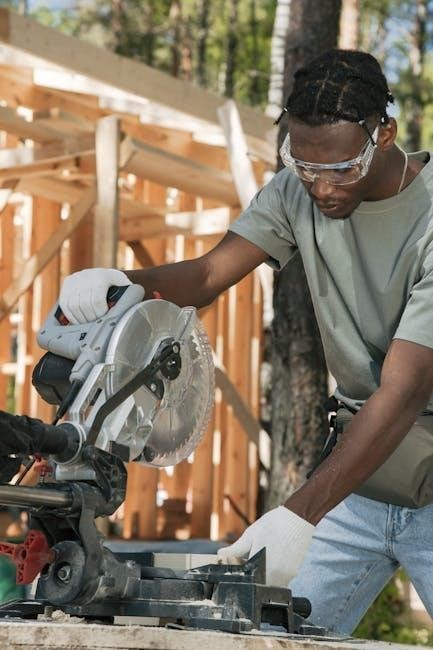
T-squares enhance accuracy when used with stock guides, while zero-clearance inserts minimize tear-out and support the workpiece for cleaner, more precise cuts․
Using T-Squares for Accuracy
T-squares significantly improve the precision of cuts when paired with a reliable stock guide system․ VerySuperCool Tools specifically recommends their Standard T-square for fences, especially Biesemeyer styles․
These tools allow for quick and accurate setup, ensuring the workpiece is perfectly aligned with the blade․ Utilizing a T-square minimizes errors and delivers repeatable results, crucial for projects demanding tight tolerances․ They effectively bridge the gap between fence and blade․
Regular checks with a T-square confirm alignment, preventing drift and ensuring consistently square cuts․
Zero-Clearance Inserts and Stock Guides
Zero-clearance inserts work synergistically with stock guides to enhance cut quality and safety․ By minimizing tear-out, these inserts provide a cleaner edge, especially important for delicate materials․
When combined with a precisely aligned stock guide, the insert supports the workpiece directly adjacent to the blade, reducing vibration and improving accuracy․ This pairing is particularly beneficial for ripping narrow pieces․
Maintaining a flush fit between the insert and guide is vital for optimal performance and preventing kickback risks․

Cost Considerations
Stock guide systems range from budget-friendly DIY options using aluminum extrusion to high-end commercial systems like JESSEM or VerySuperCool Tools․
The price reflects materials, precision, and features, impacting overall workshop investment․
Budget-Friendly Options
DIY stock guides offer a cost-effective alternative to commercial systems․ Utilizing extruded aluminum, as discussed on r/Tools, allows woodworkers to construct functional fences and rails․
Creating front and rear guide rails ensures parallelism, while an outfeed table integration enhances support․ These options require more fabrication effort but significantly reduce expenses․
Focusing on precise alignment and sturdy construction yields surprisingly accurate results, proving that excellent performance doesn’t always demand a hefty price tag․
High-End Systems
JESSEM TS Stock Guides and VerySuperCool Tools systems represent the pinnacle of table saw stock guide technology, offering exceptional precision and durability․
These systems often feature robust locking mechanisms and finely machined components, ensuring consistent performance and minimal deflection․ Compatibility with existing fences, like Biesemeyer styles, is a key consideration․
While a significant investment, high-end systems deliver unparalleled accuracy and longevity, justifying the cost for professional woodworkers and serious hobbyists seeking top-tier results․

Resources for Further Information
Reddit’s r/woodworking and r/Tools offer valuable discussions on table saw fences and guides․ Explore VerySuperCool Tools archives for detailed insights․
Reddit r/woodworking Discussions
Reddit’s r/woodworking forum features extensive threads on table saw fence systems․ Users debate the best and most practical options, comparing various models and functionalities․
Discussions often revolve around the thickness of cast iron tops and their compatibility with mounting systems, like the “big eye” – a concern for vintage Unisaw owners․
The importance of maintaining a 31mm distance between the blade and the fence is frequently emphasized to prevent drag and ensure smooth operation, as shared by experienced woodworkers․
Reddit r/Tools Discussions
Reddit’s r/Tools forum provides insights into DIY table saw fence and guide construction․ Users share plans for building fences from extruded aluminum, utilizing front and rear guide rails for parallelism․
The use of indicators to check blade alignment is a common recommendation, ensuring accurate cuts․ Integrating an outfeed table section, often foldable, is also a popular project discussed within the community․
Older Delta saws employing round tube guides are referenced, highlighting the need for precise length measurements for effective functionality and stability․
VerySuperCool Tools Archives
VerySuperCool Tools offers aftermarket table saw fence upgrades and stock guides, catering to both existing systems and new builds․ Their archives detail compatibility with Biesemeyer fences and guide rail systems․
The Standard T-square is recommended for those already using a Biesemeyer fence․ JESSEM TS Stock Guides are specifically designed to work seamlessly with VerySuperCool Tools’ tablesaw fence system․
Customized TS Stock Guides from Jessem Tools are available, ensuring optimal performance and integration with the VerySuperCool Tools ecosystem for enhanced accuracy․