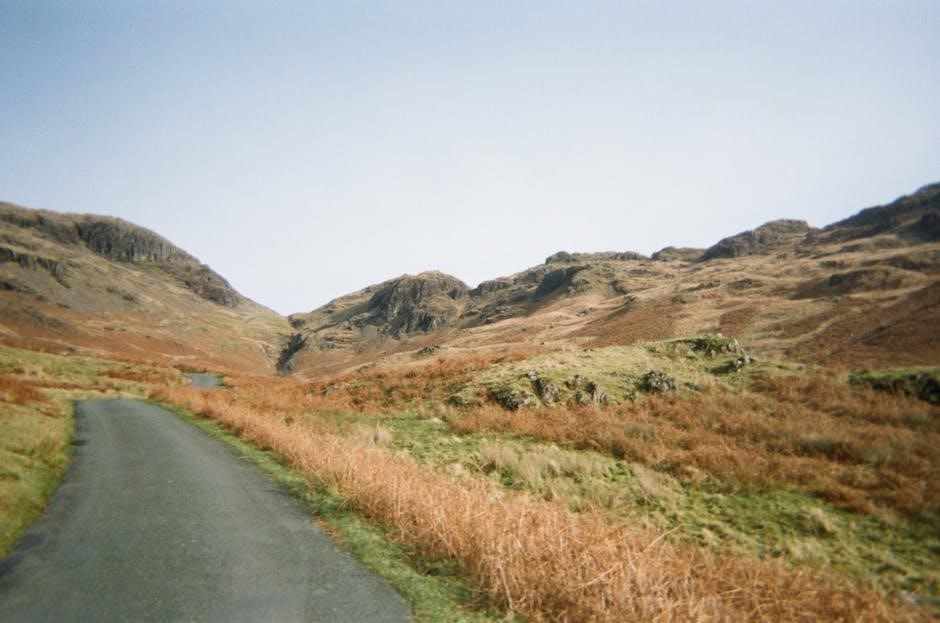
Alfred Wainwright’s seven Pictorial Guides revolutionized fell walking, offering detailed routes and charming illustrations of the Lakeland Fells for enthusiasts and explorers․
Historical Context of the Guides
Alfred Wainwright began work on his Pictorial Guides in the 1950s, initially self-publishing the first volume, The Northern Fells, in 1955 via the Westmorland Gazette․ This arose from his frustration with existing, often inadequate, fell-walking guides of the time․ He sought to create something far more comprehensive and accessible, blending practical route information with his artistic talent․
The guides emerged during a growing post-war interest in outdoor pursuits and a rising accessibility of the Lake District, fueled by improved transport․ Wainwright’s unique approach – combining detailed maps, elevation profiles, and charming, hand-drawn illustrations – quickly resonated with walkers․ The initial publications gained a loyal following, leading to wider distribution through Michael Joseph publishers, solidifying their place in British outdoor literature․
Alfred Wainwright: The Man Behind the Maps
Alfred Wainwright (1907-1991) was a self-taught surveyor, artist, and writer whose passion for the Lake District shaped his iconic guides․ He wasn’t a formally trained cartographer, but his meticulous observations and dedication to accuracy resulted in remarkably detailed and practical maps․ He worked as a surveyor for the Blackburn Corporation before dedicating himself to his fell-walking project․
Wainwright’s personality shines through his work; he was known for his direct, often humorous, writing style and his strong opinions․ He deliberately avoided using a car in the Lake District, preferring to explore on foot, fostering a deep connection with the landscape․ His guides weren’t simply about reaching summits, but about experiencing the beauty and solitude of the fells, a philosophy he passionately conveyed․
The Seven Pictorial Guides – An Overview
Wainwright’s comprehensive series meticulously details the Lakeland Fells, divided into seven volumes: Northern, Central, Southern, Eastern, Far Eastern, Western, and Northwestern Fells․
The Northern Fells
Wainwright’s The Northern Fells initiates his iconic series, charting the often-overlooked but remarkably beautiful northern reaches of the Lakeland landscape․ This volume encompasses fells like Skiddaw, Latrigg, and Blencathra, presenting detailed routes for both seasoned walkers and those new to fell exploration․
The guide is characterized by Wainwright’s signature hand-drawn maps and evocative descriptions, capturing the unique character of each peak and valley․ He doesn’t shy away from detailing challenging ascents, but also highlights accessible routes for less experienced hikers․ The book provides a thorough exploration of the geology, history, and natural beauty of the region, making it more than just a navigational tool – it’s a celebration of the Lakeland Fells․
The Central Fells
The Central Fells, originally published in 1958, is arguably the most popular of Wainwright’s guides, focusing on the heart of the Lakeland region; This volume details the iconic fells surrounding Grasmere and Ambleside, including Helvellyn, Seatbel and Fairfield․
Wainwright’s meticulous attention to detail shines through, offering precise route descriptions and charmingly illustrated maps․ He expertly guides walkers through varied terrain, from gentle lakeside paths to challenging rocky scrambles․ The book’s enduring appeal lies in its ability to convey not just how to walk the fells, but also why – capturing the spirit and beauty of the landscape․ It’s a vital companion for anyone exploring this central portion of the Lakeland Fells․
The Southern Fells
Wainwright’s The Southern Fells encompasses the highest and most rugged terrain within the Lake District, including the majestic Scafell Pike – England’s highest mountain․ This guide details a challenging yet rewarding area, demanding respect and preparation from walkers․
The book expertly navigates the complex landscape of scree slopes, rocky ridges, and remote valleys․ Wainwright’s detailed route descriptions and hand-drawn maps are crucial for safe exploration․ He vividly portrays the grandeur and beauty of these fells, conveying his deep connection to the terrain․ For walkers seeking a demanding adventure and breathtaking views, The Southern Fells is an essential companion, showcasing the wild heart of Lakeland․
The Eastern Fells
Wainwright’s The Eastern Fells guide presents a diverse landscape, ranging from the gentle slopes of Latrigg to the more challenging heights of Blencathra․ This volume showcases a unique blend of accessibility and rugged beauty, appealing to a wide range of walkers․
The detailed routes within this guide reveal hidden valleys, sparkling lakes, and panoramic viewpoints․ Wainwright’s characteristic illustrations and precise descriptions bring the terrain to life, aiding navigation and enhancing the overall experience․ He expertly captures the distinctive character of each fell, offering insights into their geological history and natural features․ The Eastern Fells is a superb choice for those seeking varied walks and stunning scenery within the Lake District․
The Far Eastern Fells
Wainwright’s The Far Eastern Fells guide delves into the quieter, more remote corners of the Lake District․ This volume focuses on the fells bordering the eastern edge of the National Park, offering a sense of solitude and unspoiled natural beauty․ Expect a landscape characterized by rolling hills, expansive moorland, and picturesque villages․
The routes detailed within are often less frequented, providing a more intimate experience of the fells․ Wainwright’s meticulous maps and descriptions are invaluable for navigating this terrain, ensuring walkers can confidently explore the area․ He highlights the unique geological formations and ecological diversity, fostering a deeper appreciation for this often-overlooked region․ This guide is ideal for those seeking peaceful walks and a connection with nature․
The Western Fells
Wainwright’s The Western Fells guide showcases a dramatic and rugged landscape, characterized by steep slopes and rocky summits․ This volume covers the fells west of Derwentwater and Keswick, presenting some of the most challenging yet rewarding walks in the Lake District․ Expect breathtaking views and a sense of wild remoteness․
The routes detailed are known for their steep ascents and exposed ridges, demanding a good level of fitness and navigational skill․ Wainwright’s precise maps and detailed route descriptions are essential for safe exploration․ He expertly captures the grandeur of peaks like Mellbreak and Whiteside, inspiring walkers to conquer these iconic fells․ This guide is perfect for experienced hikers seeking a thrilling adventure․
The Northwestern Fells
Wainwright’s The Northwestern Fells guide presents a captivating region, often considered a quieter corner of the Lake District․ This volume details the fells north and west of Keswick, offering a blend of challenging climbs and gentler valley walks․ Expect a diverse landscape, from the rugged slopes of Skiddaw to the more rounded profiles of the surrounding fells․
The routes within are known for their expansive views, stretching towards the Scottish hills on a clear day․ Wainwright’s meticulous attention to detail shines through, providing walkers with clear guidance and inspiring descriptions․ This guide is ideal for those seeking a balance between challenging ascents and peaceful exploration, showcasing the unique beauty of this often-overlooked area․
Key Features of the Guides
Wainwright’s guides are famed for their unique pictorial style, detailed route descriptions, hand-drawn maps, and elevation profiles—essential tools for fell walkers․
Wainwright’s Unique Pictorial Style
Alfred Wainwright’s artistic approach set his guides apart․ He didn’t simply present topographical data; he interpreted the fells through expressive, hand-drawn illustrations․ These weren’t precise renderings, but rather evocative sketches capturing the mood and character of each landscape․
His style is instantly recognizable – a blend of precise detail where needed (for route clarity) and artistic license to convey the grandeur and beauty of the Lakeland Fells․ The guides are filled with charming vignettes of sheep, buildings, and even humorous little figures, adding personality and warmth․
This pictorial style wasn’t just aesthetic; it was integral to the guides’ usability․ Wainwright believed a picture could convey information more effectively than words alone, and his illustrations helped walkers visualize the terrain and anticipate challenges․
Detailed Route Descriptions
Beyond the captivating illustrations, Alfred Wainwright’s guides are renowned for their meticulously detailed route descriptions․ He didn’t just outline a path; he provided a narrative of the walk, describing the terrain, potential obstacles, and points of interest along the way․
Wainwright’s descriptions are remarkably precise, offering step-by-step instructions and clear indications of where to turn, ascend, or descend․ He included information on the type of ground underfoot, the steepness of slopes, and the presence of any tricky sections․
These descriptions weren’t merely functional; they were infused with Wainwright’s personality and passion for the Lakeland Fells, making each route feel like a personal recommendation from a knowledgeable friend․
Hand-Drawn Maps and Illustrations
A defining characteristic of Wainwright’s Pictorial Guides is their distinctive hand-drawn maps and illustrations․ Unlike the standardized cartography of the time, Wainwright opted for a more artistic and personal approach․ His maps weren’t simply about accuracy; they aimed to convey the feel of the landscape․
He employed a unique style, using bold lines, shading, and perspective to depict the fells in a way that was both informative and visually appealing․ These weren’t clinical representations, but rather evocative sketches that captured the rugged beauty of the Lakeland Fells․
The illustrations, often depicting key landmarks or viewpoints, further enhanced the guides, bringing the routes to life and inspiring walkers to explore․
Elevation Profiles and Distance Information
Alongside his artistic maps, Alfred Wainwright meticulously included practical details crucial for fell walkers․ Each route within the Pictorial Guides is accompanied by carefully calculated distance information, allowing hikers to accurately plan their journeys and assess the overall length of the walk․
Furthermore, Wainwright provided detailed elevation profiles, visually representing the ascent and descent throughout the route․ These profiles weren’t just lines on a page; they offered a clear understanding of the terrain’s challenges, helping walkers prepare for steep climbs and descents․
This combination of distance and elevation data empowered walkers to make informed decisions about their capabilities and choose routes appropriate for their fitness level․
Using the Guides for Fell Walking
Wainwright’s Guides empower walkers with detailed route planning, symbol understanding, and safety awareness, enhancing navigation and enjoyment of the Lakeland Fells․
Understanding Wainwright’s Symbols
Alfred Wainwright employed a unique system of symbols within his Pictorial Guides to convey crucial information about each fell walk․ These aren’t merely decorative; they are essential for safe and informed navigation․ Solid black dots indicate summits, while broken ones denote minor tops or false summits․ Contour lines, meticulously hand-drawn, reveal the terrain’s steepness and shape․
Different line types represent path surfaces – continuous for well-defined tracks, dashed for faint or boggy sections, and dotted for extremely challenging or potentially misleading routes․ Wainwright also used shading to depict rocky areas and scree slopes․ Understanding these visual cues allows walkers to accurately assess the difficulty and character of each ascent, preparing them for the challenges ahead and maximizing their enjoyment of the Lakeland Fells․

Assessing Route Difficulty
Alfred Wainwright’s Pictorial Guides don’t offer explicit difficulty ratings, instead relying on visual cues and detailed descriptions for walkers to self-assess․ Steep contour lines, rocky shading, and the presence of dashed or dotted paths all indicate increasing challenge․ Route length and total ascent, clearly stated, are primary indicators․
Consider the terrain – prolonged ascents over scree, exposed ridges, or boggy ground demand greater experience and fitness․ Wainwright subtly conveys difficulty through his illustrations; a densely contoured fell suggests a strenuous climb․ Experienced walkers can interpret these visual signals, while beginners should start with shorter, less demanding routes․ Careful study of the maps and descriptions is crucial for a safe and enjoyable experience in the Lakeland Fells․
Safety Considerations When Using the Guides
Wainwright’s Pictorial Guides, while invaluable, are not substitutes for proper preparation and mountain safety skills․ Conditions in the Lakeland Fells can change rapidly; always check the weather forecast before setting out and be prepared for all eventualities․ Carry appropriate clothing, including waterproofs, and sufficient food and water․
A map, compass (and the knowledge to use them!), or a GPS device are essential, as paths can be faint or misleading․ Inform someone of your planned route and estimated return time․ Be aware of your limitations and don’t attempt routes beyond your capabilities․ Wainwright’s guides were created in a different era; modern updates and responsible fell walking practices are vital for a safe journey․
Navigation Techniques with Wainwright
Wainwright’s guides excel at visually representing the fells, but effective navigation requires combining his illustrations with practical skills․ Familiarize yourself with his unique symbols denoting path types, scree slopes, and terrain features․ Cross-reference his routes with a modern map and compass – don’t rely solely on the guides․
Practice ‘map-to-ground’ and ‘ground-to-map’ techniques to pinpoint your location․ Use his elevation profiles to anticipate ascents and descents․ Be prepared for ‘whiteout’ conditions where visibility is severely reduced․ Remember Wainwright’s perspective is subjective; always verify routes and assess conditions independently․ Combining his artistry with sound navigational principles ensures a rewarding and safe fell walking experience․
The Guides’ Legacy and Impact
Wainwright’s guides profoundly impacted Lakeland fell walking, inspiring generations of hikers and fostering a deep appreciation for the region’s beauty and challenging terrain․
Influence on Lakeland Fell Walking
Alfred Wainwright’s Pictorial Guides fundamentally reshaped how people experienced the Lake District․ Before their publication, fell walking was often considered a pursuit for experienced mountaineers․ Wainwright democratized access, presenting routes in a way that was both informative and inspiring to a wider audience;
His detailed route descriptions, coupled with his unique pictorial style, instilled confidence in walkers of all abilities․ The guides encouraged a more thoughtful and appreciative approach to the fells, emphasizing not just reaching the summit, but also enjoying the journey and the surrounding landscape․ This shift fostered a growing respect for the environment and a burgeoning fell-walking community․
Wainwright’s work moved beyond simply providing directions; he cultivated a love for the fells, influencing generations to explore and cherish this unique corner of England․ His legacy continues to shape the culture of fell walking in the Lake District today․
The Wainwright Society
Founded in 2002, The Wainwright Society is dedicated to preserving and promoting the legacy of Alfred Wainwright and his beloved Pictorial Guides․ The society serves as a vibrant hub for enthusiasts, fostering a community united by a shared passion for the Lake District fells․
Its core objectives include maintaining footpaths, conserving the landscape, and encouraging responsible fell walking․ The society actively engages in practical conservation work, repairing trails and protecting the natural beauty that Wainwright so eloquently captured in his guides․
Furthermore, it provides a platform for members to connect, share experiences, and participate in guided walks and events․ Through publications, workshops, and online resources, The Wainwright Society ensures that Wainwright’s spirit of exploration and appreciation continues to inspire future generations of fell walkers․
Anniversary Editions and Modern Updates
To celebrate the enduring popularity of Alfred Wainwright’s Pictorial Guides, numerous anniversary editions have been released, often featuring updated mapping and revised route information․ These editions aim to balance Wainwright’s original vision with the realities of a changing landscape and evolving navigational technology․
While respecting the charm of his hand-drawn illustrations and descriptive prose, publishers have incorporated Ordnance Survey mapping to enhance clarity and accuracy․ Modern updates also address path erosion and changes in access, ensuring walkers have the most current guidance․
Digital versions of the guides have also emerged, bringing Wainwright’s work to a wider audience․ However, many purists still prefer the tactile experience of the original books, appreciating their unique character and historical significance․ These editions keep Wainwright’s legacy alive․
Collecting Wainwright Guides
Wainwright guides, especially first editions, are highly sought after by collectors, with value determined by printing, condition, and rarity of each individual book․
First Editions and Rarity
First editions of Alfred Wainwright’s Pictorial Guides are the most coveted by collectors, commanding significant prices due to their limited availability and historical importance․ Identifying a true first edition requires careful examination; look for specific details like the publisher (originally Westmorland Gazette, later Michael Joseph), print dates aligning with the initial publication years (starting in 1955), and specific characteristics of the cover and internal pages․
Rarity varies between the seven guides, with some volumes being printed in smaller initial runs than others․ Condition plays a crucial role; pristine copies with unblemished covers and intact dust jackets are exceptionally rare and valuable․ Later printings, while still collectible, generally hold less monetary worth․ The increasing popularity of fell walking continues to drive demand, further elevating the value of these iconic guides․
Identifying Different Printings
Determining a Wainwright guide’s printing is crucial for collectors․ Later printings often feature subtle changes – alterations to the publisher’s address, revised copyright dates, or corrections to minor errors within the text or maps․ Examining the publication details on the copyright page is the first step; successive printings will indicate this with updated information․
The presence of a statement indicating the printing number (e․g․, “Second Impression”) is a clear indicator․ However, not all printings are explicitly numbered․ Comparing details like the cover design, font styles, and map colors against known first edition characteristics can help differentiate between versions․ Online resources and collector communities provide valuable checklists and comparative guides to aid in accurate identification, ensuring informed collecting decisions․
Condition and Value
The condition of a Wainwright guide significantly impacts its value․ First editions in pristine, unread condition command the highest prices․ Factors like cover wear, spine damage, foxing (brown spots due to oxidation), and any inscriptions drastically reduce value․ Collectors prioritize books with minimal handling and intact dust jackets (if applicable)․
Value fluctuates based on rarity, printing, and condition․ First editions, particularly those in exceptional shape, can fetch substantial sums․ Even later printings in excellent condition hold value for collectors․ Online auction sites and specialist book dealers provide current market valuations․ Careful preservation – using protective covers and storing books properly – is essential to maintain and potentially increase their worth over time․
Criticisms and Limitations of the Guides
Wainwright’s guides, while beloved, face criticism for outdated information, subjective route assessments, and reflecting a personal perspective that may not suit all walkers․
Outdated Information
Alfred Wainwright’s guides, originally penned decades ago, inevitably contain information that has become outdated over time․ Path erosion, changes in land use, and evolving infrastructure all contribute to discrepancies between the depicted routes and current conditions․ Some stiles may have disappeared, paths may have shifted, and new obstacles could present themselves․
Furthermore, access rights and regulations have altered since the guides’ initial publication․ Walkers relying solely on Wainwright’s descriptions may encounter unexpected diversions or find themselves on routes that are no longer officially permitted․ It’s crucial to supplement the guides with up-to-date maps, online resources, and local knowledge to ensure a safe and legally compliant fell walking experience; Relying solely on the guides without cross-referencing can lead to navigational errors and potential hazards․
Subjectivity of Route Descriptions
Alfred Wainwright’s writing style, while beloved for its charm and personality, is inherently subjective․ His route descriptions often reflect personal preferences and opinions regarding the most enjoyable or scenic paths․ What Wainwright considered a “delightful scramble” might be perceived as challenging or intimidating by less experienced walkers․
His assessments of difficulty are also open to interpretation, varying based on individual fitness levels and weather conditions․ The guides don’t always provide objective hazard warnings; instead, they offer a more impressionistic account of the terrain․ Walkers should recognize that Wainwright’s perspective is not universally applicable and should independently assess their capabilities and the prevailing conditions before embarking on any route․ A degree of critical evaluation is essential․
Reliance on Wainwright’s Perspective
The enduring appeal of Wainwright’s guides stems from his deeply personal connection to the Lakeland Fells, but this also presents a limitation․ Users often approach the fells through his eyes, potentially overlooking alternative routes or appreciating the landscape independently․ The guides can inadvertently encourage a conformity of experience, prioritizing paths favored by Wainwright over others that might be equally rewarding․
Modern walkers should remember that his perspective, formed over decades of exploration, represents a single interpretation of a complex landscape․ While invaluable, it shouldn’t be considered definitive․ Supplementing Wainwright’s insights with contemporary maps, guidebooks, and local knowledge fosters a more comprehensive and nuanced understanding of the fells, promoting responsible exploration․